How Long to Stay in Korea for Plastic Surgery: The Surgery Is Not the Stay
How long to stay in Korea for plastic surgery is set by the slowest step after the operation, not the operation. Stay length by procedure, and when to fly.
PK
Peep Korea Editorial · 13 min read
Short answer
For most facial surgery in Korea, plan to stay at least seven to ten days, because the American Society of Plastic Surgeons suggests waiting that long before flying after face, eyelid and nose surgery, and five to seven days after body procedures such as liposuction. Then add the clinic's own checks, such as stitch, splint or cast removal, and treat toxin, filler and facials as add-ons that fit a short trip rather than a reason for one.
The operation takes an afternoon. The calendar it needs does not.
Most Seoul trips are planned backwards from a flight sale. A Kakao chat confirms a Tuesday surgery, a coordinator mentions stitches out "around day five," and the return seat is already booked for day six. Nobody has said when the surgeon wants to see you last. The stay gets cut, and the cut is where trips go wrong.
If you remember one rule, remember this. Book the return flight after the latest of three dates: your last in-person check, the published flying window for your operation, and one spare day. If the clinic will not name the first date in writing, you do not have a trip plan yet.
How long should you stay in Korea for plastic surgery?
As long as the slowest thing on your list. Each of our procedure guides already answers this for its own operation, so this table only collects those answers in one place and adds the published flying guidance. Follow the link for the reasons.
ASPS: 5 to 7 days; CDC: 10 days after chest or abdominal surgery
None yet
Stay lengths summarize the planning ranges in our published procedure guides (October 2026), which explain and source them. Flying windows are from the ASPS cosmetic surgery tourism briefing paper and the CDC Yellow Book 20261, 2, checked October 2026. They are starting points, not clearance to fly. Your surgeon's written date wins. Not a Peep recommendation.
Two things the table cannot show. Combine operations and the longest one sets the calendar. And every date assumes nothing goes wrong. A spare day is cheap. A rebooked long-haul fare is not.
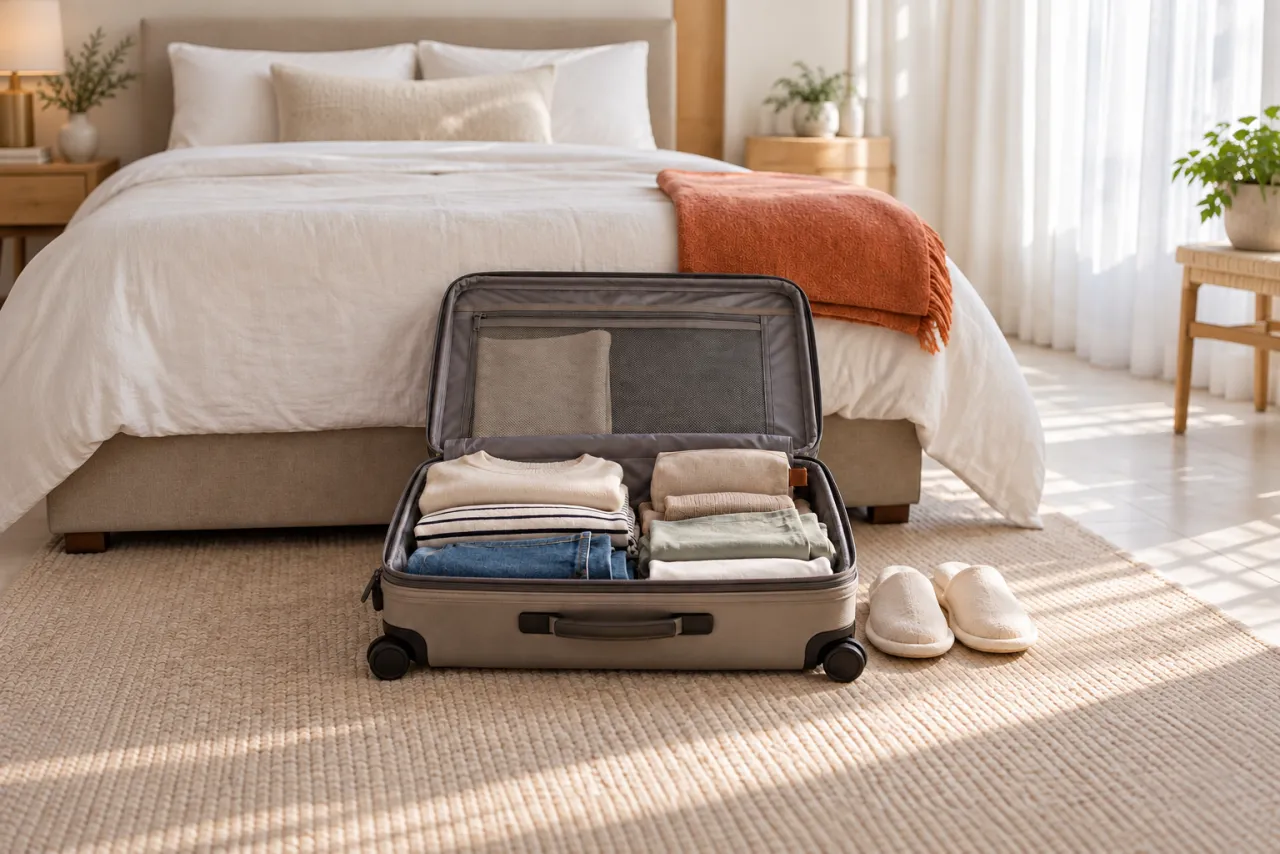
Real rest in daylight. The spare day on your calendar looks like this, and it costs less than a rebooked flight.
When can you fly home after plastic surgery?
Later than the airline will let you. The question is what the flight adds to a body that is still healing.
The ASPS briefing on cosmetic surgery tourism suggests waiting five to seven days after body procedures such as liposuction and breast augmentation, and seven to ten days after cosmetic procedures of the face, including facelifts, eyelid surgery, rhinoplasty and laser treatments.1 The CDC repeats the facial guidance and adds that medical tourists should not fly for ten days after chest or abdominal surgery.2
The reason is mostly blood clots, not the window seat. Long flights and surgery each raise the risk of deep vein thrombosis and pulmonary embolism, and together they raise it further, because you sit still for hours while the body is more prone to clotting.1, 2 ASPS adds swelling and infection to that list.1 Cabin air is pressurized to roughly the outside pressure at 6,000 to 8,000 feet.2 A flight home from Seoul to North America or Europe usually means more than ten hours in that cabin.
Cabin pressure is rarely what decides a facial case. A small bleed, a stitch that opens, or swelling that climbs on one side is the problem, and it is a much smaller problem in a city where your surgeon can see you the same afternoon. Ask your surgeon whether you need compression stockings or any other clot prevention for the flight, and tell them if you have ever had a clot, take hormones, or smoke.
Post-op deswelling injections, lasers and lymphatic massage do not change that flying window, and our guide on how to reduce swelling after surgery sets out what the evidence does show.
Where you recover in Seoul matters less than how far it is
Some travelers book serviced "recovery" stays near clinics. Others use an ordinary hotel. Either can work. Judge it on four plain things: minutes to the clinic by taxi, an elevator, food you can order without chewing hard, and a phone that reaches the clinic at night. Peep does not recommend specific stays.
What the trip should not include is the vacation. ASPS lists sunbathing, alcohol, swimming, long walking or bus tours, and exercise as things to avoid after surgery, and the CDC gives the same warning.1, 2 A recovery week in Seoul is a week near your clinic, not a week in Busan.
Plan the arrival as carefully as the exit. A long-haul flight eats most of the first day, so book the consult for day two if you can, and keep the surgery date flexible until the surgeon has examined you. Our Korea entry requirements guide covers the e-Arrival card, data and paperwork, including how long your passport allows you to stay.
Five dates to get in writing before you book the flight
Send this before the deposit:
"What day is my surgery, and how many nights do I stay in the clinic, if any?"
"On which days do you need to see me again, and what happens at each visit: stitches, splint, cast, check?"
"What is the earliest date this surgeon would clear me to fly long-haul?"
"Who answers at night and on weekends while I am in Seoul, and how?"
"Can I have my operative notes, medicine list and discharge summary in English before I leave?"
The CDC tells medical travelers to take copies of their records home and to plan with both their home doctor and the treating surgeon for complications before they travel.2 Our guide to whether plastic surgery in Korea is safe explains how to check who operates, and the plastic surgery cost guide shows how the nights you cannot fly belong in the budget. A clinic that answers question three with a date is planning your recovery. A clinic that answers with "most people are fine" is planning your flight.
Stay-cost checklist in won (KRW)
Each extra night is a cost the surgery quote does not show. Before you book the return, check these in won:
☐ Hotel nights from arrival to the day after your last check
☐ Follow-up visits included in the surgery quote, and the price of any extra one
☐ Stitch, splint, or cast removal: included, and on which day
☐ Taxis between the hotel and the clinic for every check
☐ Meals delivered for the days you will not go out
☐ Change fee for the return flight if the surgeon asks you to stay longer
The price of the surgery itself belongs in our cost guide.
Sample itinerary: a ten-day facial surgery trip
This is a planning frame, not medical advice. Your surgeon sets the real dates.
Day
Plan
Day 1
Land, check in, rest. No surgery on arrival day
Day 2
Consult and pre-op tests. Confirm the plan matches the written quote
Day 3
Surgery. A companion or a named contact on call
Days 4–5
First check. Rest, short walks indoors, follow the clinic's instructions
Days 6–8
Stitch or splint check if planned. Short walks, no heavy activity
Day 9
Last in-person check. Collect records and the medication list
Day 10
Spare day, then fly
Bone surgery, lifts, and combined procedures usually need more days. Book the flight after the last check and the spare day, not before.
English phrases for planning the dates
English
Korean
When is my last check before I fly?
출국 전 마지막 진료는 언제인가요?
When will the stitches come out?
실밥은 언제 제거하나요?
Is it safe for me to fly on this date?
이 날짜에 비행기를 타도 괜찮을까요?
Please write these dates down for me.
이 날짜들을 적어 주세요.
Who do I contact after I go home?
귀국 후에는 누구에게 연락하나요?
Follow-up care after you fly home
On the flight: move your legs, drink water, and follow the surgeon's advice on compression or medication. The section above explains why the flying window exists.
First week home: keep the care plan from the clinic, send photos on the agreed schedule, and keep the clinic's replies.
Book a local doctor visit early if you can, so someone can see the healing in person.
Swelling can take weeks to months to settle. Plan photos, events, and work calls with that in mind.
Signs that need care the same day are listed in our safety guide. For chest pain, sudden shortness of breath, or a painful swollen leg, call local emergency services (119 in Korea, 911 in the US) instead of waiting for the clinic.
Quick FAQ
For most facial surgery, plan on at least seven to ten days, the window ASPS suggests before flying after face, eyelid or nose surgery, and five to seven days after body procedures.1 Then add the clinic's check dates and one spare day. Toxin, filler and facials fit a few days. Your surgeon's written date wins.
Our double eyelid guide plans about five to seven days for a suture method and seven to ten for an incision, so stitch removal and a check happen in Seoul. ASPS suggests seven to ten days after eyelid surgery before flying.1 An incision is not a weekend trip.
Not straight away. ASPS suggests waiting seven to ten days after rhinoplasty before flying.1 Our rhinoplasty guide plans ten to fourteen days in Seoul for a primary nose, because the cast or splint comes off around a week, and more for rib cartilage or revision work. Tip swelling lasts months either way.
Expect one to two nights in the clinic and a compression dressing for several days, then stay at least until your surgeon's main checks are done and you are past the seven to ten day facial window.1 Bone surgery under general anesthesia sits at the serious end of that range. Our jaw reduction guide has the details.
ASPS names facelifts in its seven to ten day facial window before flying.1 The first week is usually the hardest for swelling and bruising, so a three-day facelift trip does not fit any published guidance. Ask your surgeon for a written date and book the return after it.
ASPS suggests five to seven days after body procedures such as liposuction and breast augmentation.1 If the operation involved the chest or abdomen, the CDC says not to fly for ten days.2 Peep has no liposuction guide yet, so ask your surgeon how long your specific plan needs.
Most people do. There is no surgical flying window for toxin or hyaluronic acid filler; the real risks are a bruise, unexpected swelling, and no clinic to call on day two. Keep a contact that works after hours.
It can add to it, and that is not the only concern. ASPS says travel combined with surgery raises the risk of blood clots, and of swelling and infection.1 Cabin air is pressurized to roughly 6,000 to 8,000 feet.2 Ask your surgeon about clot prevention for the flight.
Not necessarily. A recovery stay is just a place to sleep near your clinic. Judge any option on distance to the clinic, an elevator, easy soft food, and a way to reach the clinic at night. Peep does not recommend specific stays or booking services.
Ask before you book the flight. Many clinics close or run short hours over national holidays such as Seollal and Chuseok, and a stitch removal that lands on a closed day can slide by several days. Check your dates against the Korean holiday calendar and ask who sees you if a check falls on one.
Some people do, and the slower recovery sets the stay. Swelling from two areas is harder to read, and a problem is harder to trace. Decide on any combination before you land, with the surgeon who will do both.
Yes, if you can. A long-haul flight and immigration take most of an arrival day. Book the consult for your second day and keep the surgery date flexible until the surgeon has examined you. Our entry requirements guide covers what to sort out before you land.
It happens, often after the in-person consult, which is why the surgery date should stay flexible until the surgeon has examined you. Every check date slides with it, so ask the clinic to restate each one in writing, and buy a return fare you can change without losing the whole ticket.
ASPS lists sunbathing, alcohol, swimming, long walking or bus tours, and exercise as activities to avoid after surgery, and the CDC gives the same advice.1, 2 Follow your aftercare card for sleep position, ice, showering and makeup. Shopping can wait for the next trip.
For bone surgery or a facelift, a companion is a good idea for the first days, and our cost guide counts one in the budget. For toxin or a small eyelid procedure many people travel alone. Either way, someone at home should know your clinic, hotel and flight.
The CDC tells medical travelers to get copies of their medical records in English before returning and to share them with any doctor they see later.2 Ask for the operative note, implant or material details, medicine list and discharge summary before your last visit.
Do not wait. The CDC advises seeking care promptly if you suspect a complication, and ASPS notes that a home surgeon may not know what was done abroad.1, 2 Bring your records, contact the Seoul clinic, and see a local doctor. Agree this plan before you travel.
Not before you fly. Incision eyelids keep settling for months, a nose tip can stay swollen for months, and hair transplant growth is judged closer to a year. The day you leave Seoul is the end of the stay, not the end of the recovery.
Showing 5 of 18
Medical note
This article is for general education and is not medical advice, a diagnosis, or a promise of outcome. It prints no prices. Stay lengths summarize our procedure guides, and flying windows are general guidance from ASPS and the CDC, not clearance for your case. Procedures are named to explain categories, not to endorse a clinic. If you have had a blood clot, take hormones, smoke, are pregnant, or have a heart or lung condition, speak to a qualified clinician about surgery and flight timing before you book.
Briefing Paper: Cosmetic Surgery Tourism. American Society of Plastic Surgeons. Flying windows after body and facial procedures; activities to avoid after surgery. Link
Stoney RJ, Leidel L. Medical Tourism.CDC Yellow Book: Health Information for International Travel, 2026 edition (April 23, 2025). Link