Double Eyelid Surgery in Korea: The Crease Is Not the Appointment
A Seoul double eyelid quote is a method, not a crease. Suture, incision and ptosis explained, what moves the price, and why a cheap ad can hide the muscle.
PK
Peep Korea Editorial · 14 min read
Short answer
A Seoul double eyelid quote is a method, not a crease. The price follows the method (suture, incision, or incision plus ptosis work), so compare itemized won quotes for the same plan; this guide does not print price bands, and the clinic sets the final price.
The cheap mistake is not a high surgeon fee. It is a suture price, paid by someone whose lid needed an incision.
Seoul sells this operation under one English name and several Korean ones. Non-incisional, partial incision, full incision, ptosis correction. The ad photo is a crease. The bill is the method that has to hold that crease on your lid, which may be thick, fatty, or already tired. People book the lunch-break tile and meet the incision quote in the room, which is a bad time to learn the difference.
If you remember one test, remember the lid. Thin skin, a faint line that comes and goes, little fat: a suture can be the conversation. Thick skin, a lid that covers the pupil when you look ahead, or a crease that vanished after a previous suture: you are in a different appointment. The reel does not know which one you are.
What is the difference between suture and incision methods?
Non-incisional, sometimes called buried suture, passes threads through small punctures. No cut you can point at later. It suits a thin lid with little fat and no droop of the muscle. It is the price on most foreigner ads. It is also the one that can loosen. Clinic notes often put a slice of cases, sometimes talked about around 5 to 15 percent over several years, in the loosen column. That is a method limit, not a failed city. Published series run wider. Reviews cite fold loss from about 1 to 17 percent after suture methods, and one 1,500-case clinic record found 13 to 26 percent needed a second operation within about four years, depending on the stitch pattern.2, 3 Fat is what pushes a tied fold apart, and a suture cannot take much of it out.4
Incisional opens the lid, removes skin or fat if they are in the way, and builds the crease in the cut. It costs more, swells longer, and leaves a line inside the fold. Partial incision sits between the two. None of these is an upgrade package. They are answers to different lids.
Ptosis correction is the line item people do not know they need. Ptosis here means the muscle that lifts the lid is not doing the job, so the lid sits low. A crease surgery alone will not raise that lid. Adding the muscle work is a separate line on the quote. Skipping it because it was not on the reel is how a new crease still looks sleepy.
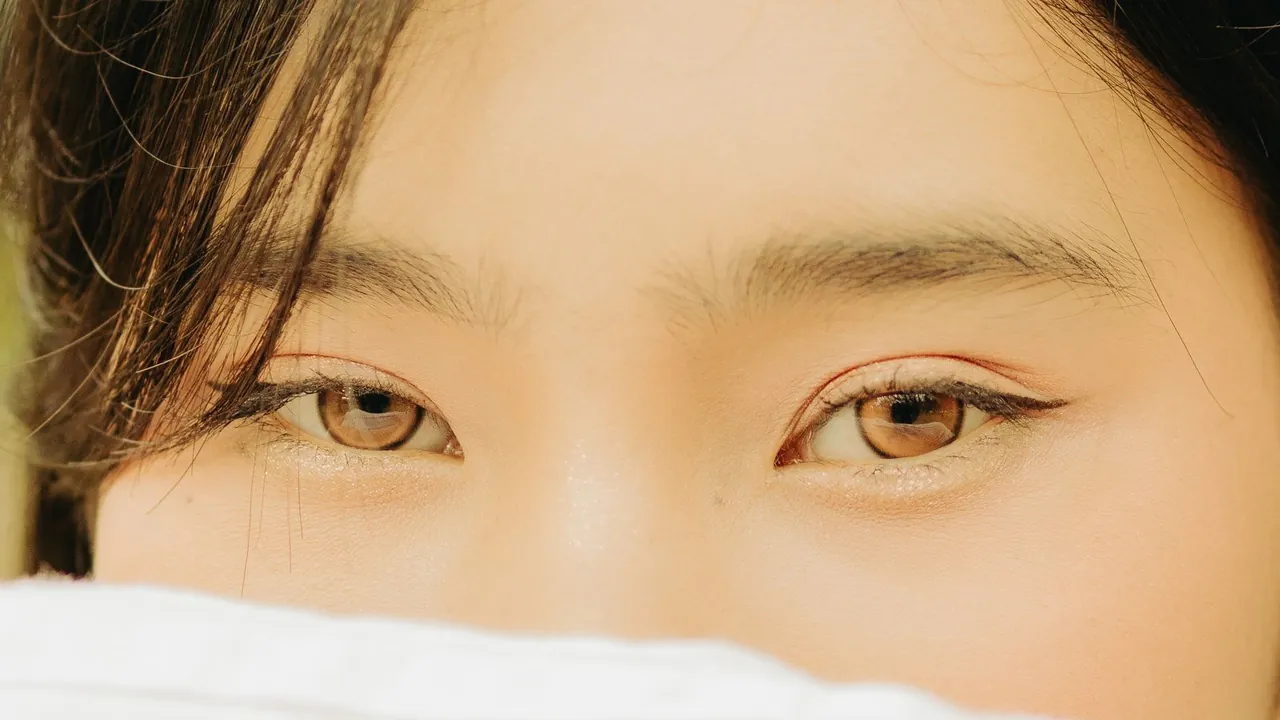
Korean menus often sell the cosmetic version as eye-shape correction, 눈매교정. The home check is simple. Relax your forehead, look straight into a mirror, and see where the lid edge sits on the colored part of the eye. If it covers a good slice of the iris, or you lift your brows to see, a fold alone will not open the eye.5 The warning runs the other way too. Muscle work on an eye that already opens well is surgery on a working muscle. If the consult adds it, ask what they measured and write the number down.
Inner corner work, epicanthoplasty, is a separate operation again. It changes the inner angle. It is not included because a coordinator likes the word "opening." If you do not want that angle changed, say so before it is a default add-on.
How much does double eyelid surgery cost in Seoul?
A double eyelid quote is priced by method, suture or incision. Ptosis repair, inner-corner work and revision are separate lines. As of October 2026, the VAT refund for foreign visitors' cosmetic procedures has ended; it covered treatment received by 31 December 2025.8, 9 A clinic must post its non-covered fees, also on any website it runs, and charge no more.10, 11
Bills to restore the refund are pending in the National Assembly, but none had passed when we checked on 21 October 2026.12 No neutral, dated source publishes a Seoul price board for this operation, so this guide does not print one. What moves the number is the plan. Ask for each line in won.
Quote line
What it covers
What moves the price
Non-incisional (suture)
Threads through small punctures, little or no tissue removed
Stitch pattern, lid thickness, whether a redo window is included
Partial or full incision
Opens the lid, can remove skin and fat, builds the crease in the cut
How much skin and fat, the stitch-removal visit
Ptosis correction
Work on the muscle that lifts the lid
Whether it is needed at all; priced on top of the crease
Inner corner (epicanthoplasty)
Changes the inner angle
A separate operation with its own fee
Revision
Redoing a loosened or scarred fold
Scar, the old method, what has to be taken apart
What a Seoul double eyelid quote should itemize. No price ranges are shown because no neutral, dated source (press, government or academic) was available as of Oct 2026. Not a Peep quote or recommendation; final prices are set by the clinic.
Some foreigner-facing menus advertise very low suture prices. A low tile is a reason to ask what is missing. Thicker lids and more complex plans cost more than the suture price on the ad.
The Korean number is still not the trip. Five to seven days for a suture case, seven to ten for an incision, a hotel, and the flight all go on the bill. Some clinics list the quote before VAT and add 10 percent at the desk. Some charge foreign patients more than the Korean-language menu, framed as a coordinator fee; the cost hub covers that markup. Ask which figure is the figure.
Stitch removal, medication, and the visit where they look at the fold should be on the paper. A price that ends when you leave the operating room is not the visit you bought.
How long do you need to stay after double eyelid surgery?
The stay is a cost too. Suture lids are often presentable, in sunglasses, inside a week. Incision lids are not a weekend. Flying on day three because the tile said lunch-break is how a tight stitch becomes a problem in another time zone. If you cannot stay for the check, you are buying the wrong method for your calendar, even if the lid would have allowed it.
Why a fair crease gets called uneven
Swelling is not symmetrical. One lid leads, the other follows, and day five looks like a mistake. Incision folds settle over months, not days. People who photograph the lid for a group chat on day four are photographing swelling.
Aftercare sheets commonly describe an incision fold on roughly this calendar. A suture fold runs faster. Ptosis work runs slower.
When
What the lid usually does
Day 1 to 3
Tight, swollen, the fold thick and too high
Day 5 to 7
Stitches out, bruising fading, sunglasses outside
Week 2
Done to you, tired to strangers
Month 1
The fold drops and softens
Month 3 to 6
Shape and scar close to final
A suture that looks perfect on day two can loosen months later. That later loosen is the complaint that should have been in the consent, not a surprise invented after you paid.
A second loss is the muscle. A new crease on a low lid still looks low. The fix was ptosis work. The quote you liked did not include it. Ask them to watch you look up. A clinic that only measures the fold you want, and never the lid height, is pricing a line.
What to have before you transfer
Method named. Ptosis yes or no. Fat removal yes or no. Inner corner yes or no. Who operates, and whether they are a plastic surgery specialist. Stitch day included. Won price with VAT. Deposit rules if the exam changes the method. Photos with you looking ahead, up, and down, no filter, both eyes.
A chat that sends one price for "double eyelid" has not started the consult.
Quick FAQ
It depends on the method, suture or incision, and ptosis and revision are priced on top of a first crease. Get an itemized won quote that names the method, ptosis yes or no, and VAT; the clinic sets the final price. This guide does not print a price band because no neutral, dated source publishes one.
Because it is a different operation. It opens the lid, can remove skin and fat, and builds the fold in a cut. The suture method does not do that work. Comparing the two prices as if they were the same crease is how people buy the wrong one.
Thick skin, a fatty lid, a lid that hangs over the pupil, and anyone whose last suture already loosened. Also anyone who cannot stay even a few days. The low tile is a method, not a sale on the same surgery.
Work on the muscle that lifts the lid, when the lid sits too low. A crease alone will not raise it. It is priced as a separate line on top of the crease. Ask them to say yes or no after they watch you look up.
More than a first crease, and more again when scar has to be taken apart. A first-timer price does not apply. Bring the old method name if you know it.
Sometimes. Some clinics charge foreign patients more than the Korean-language menu, framed as a coordinator fee. Some rooms charge the local price. Ask, and ask whether VAT is inside the number.
No, not for new treatment. The refund for foreign visitors' cosmetic procedures covered treatment received by 31 December 2025 and was not extended.8, 9 Pages that still promise an airport claim are out of date. Get the clinic to say whether the quote is the amount due.
Often five to seven days for a suture method, seven to ten for an incision, so stitch removal and a check happen in Seoul. Weekend trips fit a facial. They do not fit an incision.
You can buy the seat. You should not plan on it. Swelling, a tight stitch, or a question on day four is the issue, not cabin pressure. Incision cases are the ones people regret rushing. As a starting point, ASPS suggests waiting seven to ten days after facial surgery, including eyelid surgery, before flying.6
Often yes. A share of cases loosen over years. Clinic notes sometimes cite a band around 5 to 15 percent. That is a reason to hear the limit, not a reason to call every suture temporary. Thick lids loosen more.
Suture punctures usually fade to something hard to find. An incision leaves a line in the crease. Most of those lines soften. "No scar" is the wrong promise for an open lid. Ask to see healed incisions on skin like yours, not a day-seven reel.
Only if the sleepiness is the lid muscle, and only if ptosis work is in the plan. A crease on a low lid still looks low. Say "low lid" in the consult, not only "I want a fold."
Not unless the quote says so. Epicanthoplasty changes the inner angle and has its own fee. Refuse it in writing if you do not want that change.
Suture lids calm faster, often over a few weeks. Incision lids are a months-long swell, with the fold still changing at three to six months. Day five is not the result. Uneven swelling at day five is ordinary.
Blood thinners, if your own doctor agrees, plus fish oil, vitamin E, and other bleed-risk supplements, usually one to two weeks out. Tell them every pill. A desk that says supplements do not matter is skipping the visit.
Anyone who needs the eyes for an event inside two weeks, anyone whose quote does not name a method, and anyone with an untreated eye disease. Dry eye, thyroid eye disease, and a prior lid surgery are reasons to slow down, not reasons to hide. A lid that droops enough to block vision should have its cause checked first. Ptosis is sometimes a sign of something that is not cosmetic.5
Not in the first days. Lenses commonly wait about one to two weeks, longer after ptosis work. Bring glasses you can rest off the stitch line if you also had nose work. Face makeup away from the lids is often allowed within days. Eye makeup on the crease waits until the stitches are out and the wound is closed. Your aftercare card overrides any general rule.
Related, not the same booking. Upper blepharoplasty for aging usually takes extra skin. A double eyelid operation builds a crease, with or without skin removal. If your complaint is hooded skin and you already have a fold, say that. You may be on the other menu.
One number, no method, no ptosis line, no VAT answer. The room then adds incision, muscle, and a coordinator fee. The defense is the same as every other Seoul bill. Itemized won, method named, deposit rules, before you fly.
Both eyes, looking straight, up, and down, in daylight, no filter, no eyeliner. A smiling selfie hides the lid height. A clinic that prices ptosis off a smile is guessing.
Within limits. Lid skin, fat, and how far the eye opens decide what looks natural. Seoul menus say in-fold for a crease that starts inside the inner corner and out-fold for one that runs parallel along the lid. A very high fold on a lid that does not open well tends to look heavy or surprised. Ask the surgeon to show the planned line with a probe while you hold the mirror.
Usually not. Suture and incision folds are commonly done under local anesthesia, often with sedation, so you can open your eyes when the surgeon checks the fold. Ptosis work is often done awake for the same reason.5 Ask in writing what anesthesia is planned and whether it is in the price.
The numbing injections sting. During the operation you should feel pressure and tugging, not sharp pain. Afterward, most people describe tightness and soreness that ordinary pain medicine handles, worst in the first two days. Dry, gritty eyes are common early.7 Severe pain, swelling that climbs on one side, or a change in vision needs the clinic the same day.
It can be redone, with another suture or by switching to incision. Puffy lids are where tied folds fade most, and an incision lets the surgeon remove that fat.3, 4 Ask before surgery whether a redo inside a set window is free, partly charged, or full price. Get the answer in writing.
Showing 5 of 24
Medical note
This article is for general education and is not medical advice. This guide prints no price ranges; any quote you receive is the clinic's, not Peep's. Eyelid surgery can scar, swell unevenly, and fail to hold a crease. If you have dry eye, thyroid disease, a bleeding disorder, or a prior lid operation, speak to a qualified surgeon before you pay a deposit.
Medical Service Act, Article 56. Korea Legislation Research Institute. Bars false or exaggerated medical advertising. Link
Hu X, Ma H, Xue Z, et al. A modified mini-incisional technique for double-eyelid blepharoplasty.Plastic Surgery, 2016. Cites fold disappearance of 1.3% to 16.8% after non-incisional methods. Link
Okumura K, Tamura T, Funakoshi Y, Teranishi H. Comparison of long-term stability among continuous, two-point, and transconjunctival buried suture methods in double-eyelid surgery: a 4-year retrospective cohort study of 1,500 cases.Archives of Aesthetic Plastic Surgery, 2025. Link
Nguyen MQ, Hsu PW, Dinh TA. Asian Blepharoplasty.Seminars in Plastic Surgery, 2009. Limits of suture methods for excess fat and skin. Link
What Is Ptosis? American Academy of Ophthalmology, reviewed January 2026. Link
Briefing Paper: Cosmetic Surgery Tourism. American Society of Plastic Surgeons. Flight timing after facial surgery, including eyelid surgery. Link
What should I expect during my eyelid surgery recovery? American Society of Plastic Surgeons. Link
Restriction of Special Taxation Act, Article 107-3 (VAT refund for foreign tourists' cosmetic medical services). Korea Ministry of Government Legislation, National Law Information Center (in Korean). Applies to services received by 31 December 2025. Link
내년부터 외국인이 한국서 성형해도 부가세 환급 안해준다 (No VAT refund for foreigners' cosmetic surgery from next year). Newsis, July 31, 2025 (in Korean). Link
Medical Service Act, Article 45 (notice of non-covered fees). National Law Information Center, version in force 2 October 2026 (in Korean). Link
Enforcement Rule of the Medical Service Act, Article 42-2 (notice of non-covered fees). National Law Information Center, version in force 12 June 2026 (in Korean). Link
Bills 2218234 and 2220579 amending the Restriction of Special Taxation Act, Article 107-3 (VAT refund for foreign tourists' cosmetic medical services). National Assembly Bill Information System (in Korean). 2218234 (filed 10 April 2026) would restore the refund to 31 December 2027 and 2220579 (filed 13 August 2026) to 31 December 2029; both were pending in committee when checked on 21 October 2026. 2218234 · 2220579