A Seoul skin booster menu puts PN, PDLLA, hyaluronic acid and exosomes under one word. What each is, how Korea regulates it, and how the price is built.
PK
Peep Korea Editorial · 14 min read
Short answer
In Korea, "skin booster" is a menu word for several different products: Rejuran is PN (polynucleotide) regulated as a medical device, Juvelook is PDLLA microparticles mixed with hyaluronic acid, Profhilo is a high-concentration hyaluronic acid, and "exosome" usually means a cosmetic applied to the skin surface, not an approved injection. Clinics quote by product, by cc, vial or syringe, and by number of sessions, so compare those three things, not the word "booster."
Glass skin is a result people photograph. It is not something a clinic can sell you in a vial.
The confusion starts on the price tile. A Gangnam dermatology menu lists Rejuran, Juvelook, "skin booster" and "exosome" side by side, each with a won figure. A Kakao reply says "booster package, three times." Nobody says which gel, how many cc, or how deep. Visitors fly home on Sunday with bumps and no idea what was in the syringe.
If you remember one test, remember this. Ask for the product name, its category in Korea, the amount per session and the number of sessions. A clinic that answers all four is selling a treatment. A clinic that answers "our glass booster" is selling a word.
What is a skin booster in Korea?
A skin booster is an injection aimed at skin quality rather than shape. The goal is hydration, texture, fine lines and elasticity, not a fuller cheek or a sharper jaw. That is the line between a booster and dermal filler, which is sold by the syringe to add volume. Our Korean skin treatments guide covers where boosters sit next to lasers and devices.
Dermatology is the biggest reason foreign patients come: 62.9% of the 2.01 million foreign patients Korea counted in 2025, about 1.313 million.1, 2 Boosters fit a trip: a short appointment, numbing cream, no stitches.
Under the one word sit four families with different ingredients, rules and plans.
Menu name
What is in it
Category in Korea
How it is placed
Plan in published studies
Rejuran (PN)
Polynucleotide: long DNA fragments from fish, a thick gel3
Composition and plans as described in the cited studies, regulator notices and press. Not a product recommendation.
That is why there is no single booster to ask for. Each row is a different material under a different rule.
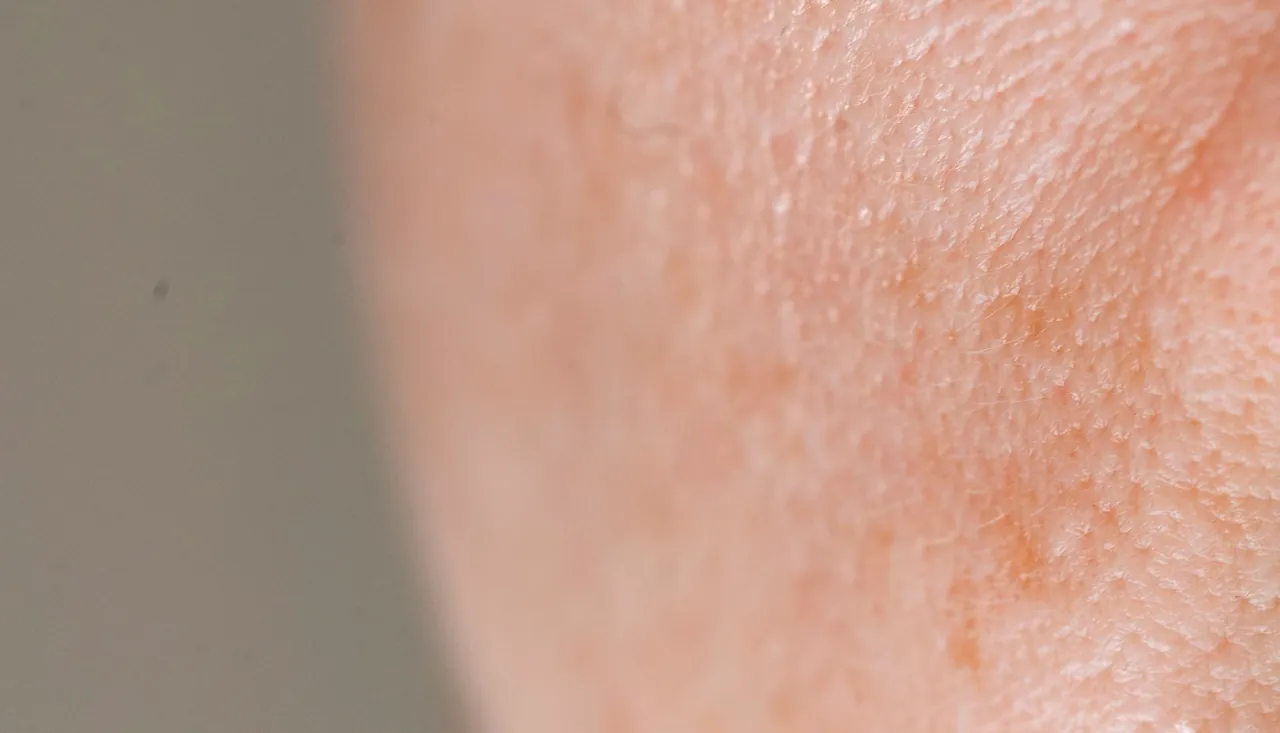
Real skin in soft light, pores and all. A booster is judged on texture over weeks, not on a glow the same evening.
Rejuran vs Juvelook vs Profhilo: what is the difference?
Rejuran is PN, a polynucleotide gel made from purified fish DNA, regulated in Korea as a medical device.3, 4 It is used for fine lines, texture and elasticity. If the PN versus PDRN labels confuse you, our PDRN guide explains them; this page will not repeat it. In a survey of 235 Korean dermatologists, the most common PN plan was three sessions four weeks apart.5
Juvelook is a different material. It is a powder of poly-D,L-lactic acid (PDLLA) microparticles with non-crosslinked hyaluronic acid, mixed with fluid before injection.7 The hyaluronic acid adds water at once. The PDLLA is meant to prompt the skin to build its own collagen over the following weeks. In a preliminary study of 16 patients given two or three sessions four weeks apart, dermatologists reported improvement in fine wrinkles, texture and redness, skin samples showed more collagen and elastic fibers, and there were no severe adverse events.7 Korean press has described Juvelook as a medical device and also mentions a separate "Juvelook Volume" product, so ask which one is in the vial.6
Profhilo is hyaluronic acid, but not a filler gel. It mixes high- and low-molecular-weight hyaluronic acid at 3.2%, made without chemical crosslinking, and is injected as small boluses at five points on each side of the face.8 A 64-woman study of two sessions four weeks apart reported improved skin measures through week 16.9 It is an Italian product, and in July 2026 its US rights were licensed to a US company to seek FDA approval, so it is not FDA-approved.13 We could not confirm its Korean approval status, so if a Seoul clinic offers it, ask to see the Korean approval on the box.
Plain hyaluronic acid boosters are thin gels placed as many tiny droplets. For American readers, the FDA approved one such product in 2023 to improve cheek skin smoothness in adults 21 and over.14
None of these lifts sagging skin. If the problem is a fallen jowl, the conversation is devices, threads or surgery.
Are exosome injections legal in Korea?
Not as an injection of the exosome products sold to clinics. Those products are registered as cosmetics, meant to be applied to the skin. In June 2025, a Seoul court upheld a three-month license suspension that the Ministry of Health and Welfare gave a doctor who injected a cosmetic exosome product into a patient's face. The court cited the high risk of injecting a product made for application.10
The regulator has tightened the wording too. In January 2025, Korea's Ministry of Food and Drug Safety (MFDS) banned "exosome cosmetic" and other wording that suggests human-derived ingredients in cosmetic ads, along with needle and microneedle language.15
The US position is similar. The FDA says there are currently no FDA-approved exosome products.11 A 2025 case report described skin necrosis and scarring after intradermal injections of a Korean-made exosome product.12
So when a menu says "exosome booster," ask one question: injected, or applied on the surface after a laser? If injected, that is your answer.
How is a skin booster priced in Korea?
By product, by amount and by session. The unit changes with the product, which is why two tiles with similar won figures can buy very different treatments.
PN is commonly quoted by cc, then by session or a three-session package.
Juvelook comes as a powder vial that is mixed before use, so the unit is the vial and how many vials go into one session.
Profhilo comes in a prefilled 2 mL syringe, so the unit is the syringe.8
Exosome steps are often an add-on to a laser or microneedling session, priced as an extra ampoule.
Other lines move the bill: numbing, hand injection versus an injector device, who injects, and any laser booked the same day. This guide prints no won ranges. The figures online come mostly from clinics' own pages, and we have not found a neutral, dated source. Ask for an itemized quote in writing.
One 2026 change matters. The special VAT refund on cosmetic procedures for foreign tourists covered treatment supplied by 31 December 2025 and was not extended.16, 17 Ask whether VAT is inside the quote. Do not subtract 10 percent in your head.
What a short trip can fit
One session, not a whole plan. Every plan in the table is a series spaced weeks apart.5, 7, 9 A single session on a four-day trip is the start of a series, and a clinic should tell you that before you pay for a package you cannot finish.
Plan the flight around the marks. Bumps and bruises are the usual travel cost, and published PN studies describe side effects as mostly mild and short-lived.18 Ask how long they last for your product.
Combining is common: 79% of the surveyed dermatologists using PN combined it with lasers, radiofrequency or HIFU.5 Ask what each line is for. If you want a gentle same-day glow without needles, an Aqua Peel is a different appointment. Afterward, sunscreen is part of the treatment, and Korean sunscreen is easy to buy.
The message that books the right booster
Send this before you pay a deposit:
"What is the product name, and what is its category in Korea: medical device, drug or cosmetic?"
"How many cc, vials or syringes go into one session?"
"How many sessions, how far apart, and what can one session do if I only come once?"
"Is anything called exosome injected, or applied on the surface?"
"Who injects, and is numbing included?"
"How long will bumps or bruises show? I fly on [date]."
A brand and a number is a treatment. A glow is a photo.
Quick FAQ
A skin booster is an injection aimed at skin quality, such as hydration, texture, fine lines and elasticity, rather than volume or shape. In Korea the word covers PN (Rejuran), PDLLA with hyaluronic acid (Juvelook) and hyaluronic acid boosters, so ask for the product name.
Filler adds volume or changes shape and is usually sold by the syringe. A skin booster is placed in many small, shallow injections to work on skin quality. Our filler guide covers filler quotes.
Yes. Rejuran is a PN (polynucleotide) skin booster, regulated in Korea as a medical device.3, 4 It is not the same as PDRN, even though both come from fish DNA. Our PDRN guide explains the difference.
They are different materials. Rejuran is a gel of DNA fragments (PN). Juvelook is PDLLA microparticles with non-crosslinked hyaluronic acid, meant to prompt the skin's own collagen over weeks.3, 7
Juvelook contains poly-D,L-lactic acid (PDLLA) microparticles and non-crosslinked hyaluronic acid, supplied as a powder and mixed before injection.7 Korean press has described it as a medical device.6 A separate "Juvelook Volume" product exists, so ask which one you are getting.
You can ask, and it is a fair ask. A sealed box or vial with the product name on its Korean label tells you what is going into your skin, not what the menu called it. Take a photo of the label, because if a bump appears after you fly home, the product name is the first thing a doctor there will need.
Profhilo is an Italian injectable of high- and low-molecular-weight hyaluronic acid at 3.2%, made without chemical crosslinking and placed at five points on each side of the face.8 The usual starting plan in studies is two sessions four weeks apart.8, 9 It is not FDA-approved in the US, and we could not confirm its Korean approval status, so ask the clinic to show it.
The exosome products sold to Korean clinics are registered as cosmetics for application, not as approved injectables. In 2025 a Seoul court upheld a three-month license suspension for a doctor who injected one.10 The FDA says there are no FDA-approved exosome products.11 Ask whether any exosome step is injected or applied on the surface.
Published plans are series. PN was most often given as three sessions four weeks apart in a Korean survey, a PDLLA study used two or three sessions four weeks apart, and Profhilo studies used two sessions four weeks apart.5, 7, 9 Your clinician may suggest a different plan.
Yes, one session fits a short trip. But every common plan is a series weeks apart, so one session is the start of a plan, not the whole plan. Ask what a single session can do before you buy a package.
By product, by amount and by session. PN is often quoted by cc, Juvelook by vial, Profhilo by syringe, and exosome steps as an add-on, so similar won figures can buy very different treatments. This guide prints no won ranges because we have not found a neutral, dated source. Ask for an itemized quote in writing.
Not always the same line on the bill. Some clinics place booster droplets with an injector device that fires many tiny doses, others inject by hand, and the quote can price them differently. The method changes how the product is spread and what you pay, not what is in the syringe, so ask which product, how many cc go in, and who holds the device.
No, not for treatment after 2025. The special VAT refund on cosmetic procedures for foreign tourists covered treatment supplied by 31 December 2025 and was not extended.16, 17 Ask whether VAT is included in the quote.
Usually little, but not none. Numbing cream is common. Expect needle marks, small bumps and possible bruising; side effects in published PN studies were mostly mild and short-lived.18 Ask how long marks last before you book near a flight.
Korean dermatologists commonly use PN for fine lines around the eyes.5 Bags and deep hollows are a different problem; our under-eye guide explains which ones need surgery.
No. Skin Botox is botulinum toxin placed in many shallow points; a booster is not a toxin. Our Botox guide explains skin Botox and how it is quoted.
It is not designed to. Boosters are studied for fine lines, texture, hydration and elasticity, not for lifting tissue.7, 9, 18 For sagging, ask about devices, threads or surgery; see our thread lift guide.
Often. In a survey of Korean dermatologists, 79% of those using PN combined it with lasers, radiofrequency or HIFU.5 Combining raises the bill and can change the downtime, so ask what each part is for.
No product can promise that. Boosters are a slow, modest change judged over weeks, and results vary from person to person. Daily sunscreen and a realistic plan matter as much as the syringe.
Anyone pregnant or breastfeeding, anyone with an active skin infection where the needle goes, and anyone allergic to the product, its fish source or the anesthetic should talk to a clinician first. If you take blood thinners or have an autoimmune condition, say so before treatment.
Showing 5 of 20
Medical note
This article is for general education and is not medical advice, a diagnosis, or a promise of outcome. It prints no prices; ask the clinic for an itemized quote. Products and brands are named to explain what they contain and how Korea regulates them, not to recommend a product or clinic, and results vary. If you are pregnant or breastfeeding, have a fish allergy, an autoimmune condition, or take blood thinners, speak to a qualified clinician before any injectable treatment.
Ministry of Health and Welfare. Press release on 2025 foreign patients. 24 April 2026 (in Korean). Link
Yonhap News Agency. Summary of the Ministry of Health and Welfare's 2025 foreign-patient data. April 2026 (in Korean). Link
Kim ST. Comparison of Polynucleotide and Polydeoxyribonucleotide in Dermatology: Molecular Mechanisms and Clinical Perspectives.Pharmaceutics, 2025. PMC
연어 DNA로 의약품·의료기기 시장 잡는다... PDRN과 PN 무슨 차이 (Salmon DNA in drugs and devices: the difference between PDRN and PN). Hit News, May 27, 2025 (in Korean). Link
Rho NK, Han KH, Cho M, Kim HS. A survey on the cosmetic use of injectable polynucleotide: The pattern of practice among Korean Dermatologists.Journal of Cosmetic Dermatology, 2024. PubMed
바임 스킨부스터 '쥬베룩', 중국 의료기기 허가 (VAIM skin booster Juvelook receives Chinese medical device approval). Chosun Biz, August 3, 2026 (in Korean). Link
Seo SB, Park H, Jo JY, Ryu HJ. Skin rejuvenation effect of the combined PDLLA and non cross-linked hyaluronic acid: A preliminary study.Journal of Cosmetic Dermatology, 2024. PubMed
Cassuto D, Delledonne M, Zaccaria G, et al. Safety Assessment of High- and Low-Molecular-Weight Hyaluronans (Profhilo) as Derived from Worldwide Postmarketing Data.BioMed Research International, 2020. PMC
Sparavigna A, Tenconi B. Efficacy and tolerance of an injectable medical device containing stable hybrid cooperative complexes of high- and low-molecular-weight hyaluronic acid: a monocentric 16 weeks open-label evaluation.Clinical, Cosmetic and Investigational Dermatology, 2016. PubMed
Maeil Business News (MK). Court rules license suspension justified for doctor who injected a cosmetic meant for application. June 20, 2025. Link
US Food and Drug Administration. Consumer Alert on Regenerative Medicine Products Including Stem Cells and Exosomes. July 22, 2020. Link
AlBargawi S. Necrosis Following Dermal Injection of Lyophilized Exosomes: A Case Report.Journal of Cosmetic Dermatology, 2025. PubMed
Maeil Business News (MK). 에볼루스, IBSA와 피부 품질 개선제 프로필로 미국 독점 계약 체결 (Evolus signs exclusive US agreement with IBSA for Profhilo). July 9, 2026 (in Korean). Link
US Food and Drug Administration. SKINVIVE by JUVEDERM, P110033/S059 (recently approved devices). 2023. Link
Sports Chosun. "피부나이 ○년 감소 문구 금지"…식약처, 화장품 표시·광고 금지 표현 추가 (MFDS adds banned cosmetic advertising expressions, including exosome wording). January 21, 2025 (in Korean). Link
Korea Ministry of Government Legislation. Restriction of Special Taxation Act, Article 107-3 (VAT refund for foreign tourists' cosmetic medical services). National Law Information Center (in Korean). Link
Newsis. Government ends VAT refund for foreigners' cosmetic surgery from next year (2025 tax reform). 31 July 2025 (in Korean). Link
Lampridou S, Bassett S, Cavallini M, Christopoulos G. The Effectiveness of Polynucleotides in Esthetic Medicine: A Systematic Review.Journal of Cosmetic Dermatology, 2025. PMC