Pico Laser in Korea: What It Treats, Sessions and Downtime
Pico laser in Korea: what picosecond lasers treat, sessions, downtime, risks for darker skin, and what to ask a licensed doctor.
PK
Peep Korea Editorial · 17 min read
Short answer
A pico laser is a picosecond laser: it fires pulses lasting trillionths of a second to break up pigment, and doctors use it for freckles, sun spots, some birthmarks, tattoos and acne scars.1, 2 Research reviews report benefits for several of these uses, but results vary by person, spots can come back, and side effects such as redness, crusting or new dark marks can happen.1, 2, 5 In Korea it is a medical procedure that only a licensed doctor may perform or supervise, so the first step is a diagnosis, not a booking.11, 12
Pico lasers are everywhere on Seoul menus, often next to words like "toning" and "brightening". The name describes how fast the laser fires, not what it fixes, so two people can book "pico" and get very different appointments.
This guide explains what the device family is, what the evidence covers, how many sessions and how much downtime to plan for, who should be extra careful, and the questions that turn a vague menu item into a plan you understand. Peep Korea does not recommend any clinic or device, and nothing here replaces a consultation with a licensed physician.
Updated November 2026. Sources and regulator pages checked 4 November 2026.
Quick answer, in five lines
What it is: a laser family with ultra-short pulses, used on pigment, tattoos and texture.1, 2
Sessions: age spots may need one or two sessions; tattoos and scars usually need several, weeks apart.5, 7
Downtime: often redness and swelling for hours to days; treated spots can darken and crust before they flake.2, 5
Main risk: dark or light patches, more likely in darker skin and at high settings.2, 3, 4
First step: a diagnosis by a licensed doctor, because a "spot" may not be what it looks like.5
What is a pico laser?
A pico laser is any laser whose pulses are measured in picoseconds, and a picosecond is a millionth of a millionth of a second.2 Older pigment lasers fire in nanoseconds, a thousand times longer. The shorter pulse shatters pigment particles with less heat spreading into the skin around them.1, 2
The technology started with tattoo removal and later spread to brown spots, photodamage, melasma and scar treatment, according to a 2021 systematic review of 77 studies in Lasers in Surgery and Medicine.1 Devices differ mainly in wavelength, and some can run in a "fractional" mode that treats a grid of tiny points instead of the whole surface.2
In both the US and Korea, these lasers are regulated medical devices. The US Food and Drug Administration classes medical lasers as devices and lists pain, infection, scarring and skin colour changes among the risks of laser surgery.6 Korea's drug and device regulator, MFDS, runs a public search where any device's approval, class and intended use can be looked up.13
Q. Is "pico" a brand? No. It is short for picosecond and covers several manufacturers' machines.2 Menus often show a brand name instead of the device type; ask which wavelength and mode will be used on you.
Q. Is a pico laser the same as laser toning? Not exactly. Toning is a way of using a laser: low energy, many passes, repeated sessions. Pico toning is that method with a picosecond device. Toning for melasma is covered in our melasma treatment guide, so this page stays with spots, tone and the device itself.
What can a pico laser treat?
Published reviews support picosecond lasers for benign pigmented spots, tattoo removal, signs of sun damage and some acne scars, with different strength of evidence for each.1 DermNet, the dermatology reference run by New Zealand dermatologists, lists the same core uses.2
Use
What the evidence says
Typical plan
Visible downtime
Last checked
Freckles and sun spots (lentigines)
Supported in reviews; spots can return with sun1, 5
Evidence exists, with relapse and dark-mark risk1, 9
See our melasma guide
Varies
4 Nov 2026
This table summarises published research and public health pages. It is not a treatment plan; only a doctor who examines your skin can say what suits you.
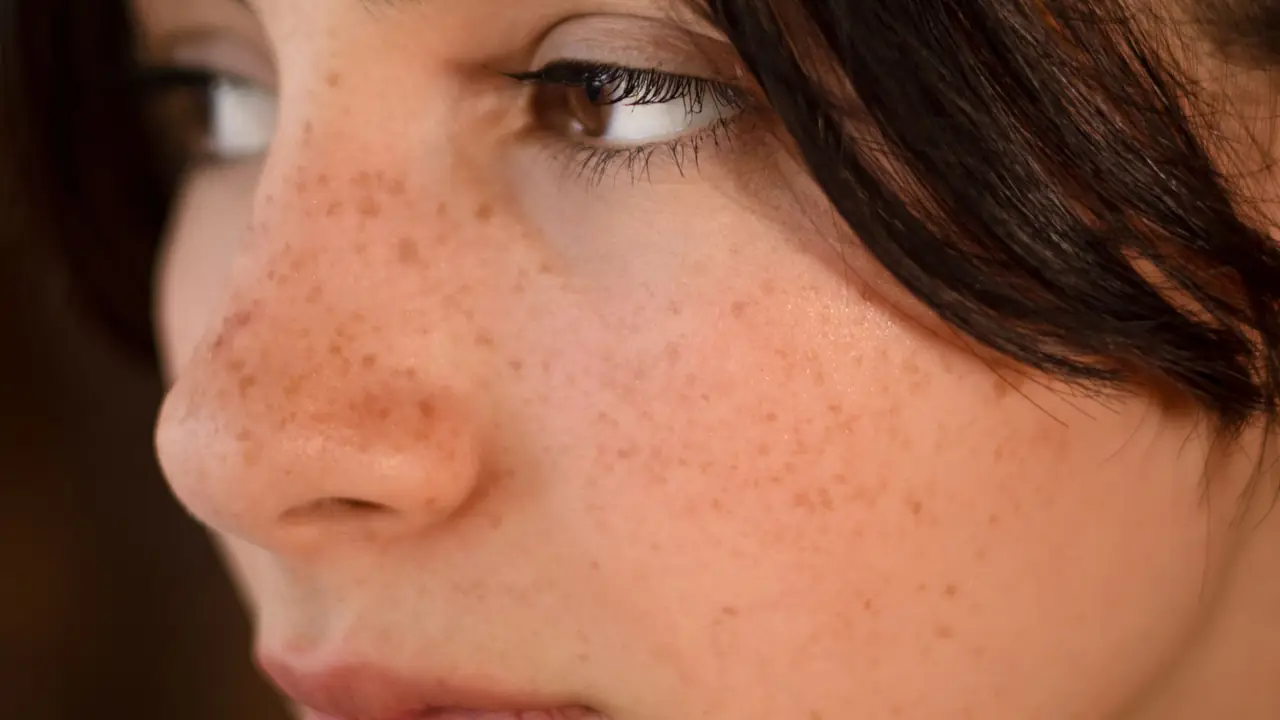
Sun protection and simple skin care are part of every pigment plan. Photo: Pexels 4736026 (Pexels License), cropped. Cover photo of freckled skin: Pexels 24735915 (Pexels License), cropped. Neither photo shows a treatment result.
Q. Can a pico laser treat any dark spot? No. The American Academy of Dermatology (AAD) points out that a mark resembling an age spot may turn out to be skin cancer, which is why a dermatologist should look first.5 Freckles, sun spots, melasma and post-acne marks are different problems that respond differently.
Q. Does it remove wrinkles? Pico lasers are studied for signs of sun damage, but the evidence is weaker than for pigment and tattoos.1 Lifting and deeper wrinkles belong to other treatment families covered in our Korean skin treatments overview.
How many pico laser sessions do you need?
It depends on what is being treated. For age spots, the AAD says one or two laser treatments can work, though spots can return without sun protection.5 Tattoos need multiple sessions a few weeks apart, and the FDA notes that full removal can take many treatments and is sometimes not possible.7
For scars and texture, studies use a series of sessions rather than one visit.1 If a plan for your face is longer than your trip, ask what happens to the sessions you cannot attend, and whether a single session is worth doing at all. (Peep advice)
Q. How far apart are sessions? Usually weeks, so the skin can recover between treatments.7 The exact gap is a doctor's decision based on the device, the setting and how your skin reacted last time.
Q. Will results last? Pigment that is removed does not regrow by itself, but new sun spots form with new sun exposure.5 Daily broad-spectrum sunscreen is part of any plan, and our Korean vs American sunscreen comparison decodes the labels on both sides.
What is the downtime after a pico laser?
Downtime varies. DermNet lists pain, redness, swelling, pinpoint bleeding, crusting and blistering as possible effects, and notes they are worse at high energy.2 The AAD says laser treatment of age spots can cause crusting or temporary darkening that tends to fade quickly.5
What visitors usually notice, based on the sources above:
First days: treated spots may look darker before they lift.5
Following weeks: the period when unwanted dark patches would show, so sun protection matters most.3, 4
Your doctor will give aftercare instructions for your skin; follow those over anything you read online, and our skin treatment aftercare guide explains the general basics. Packing a hat, a scarf and a plan for indoor time makes the first days easier. (Peep advice)
Q. Can I wear makeup after a pico laser? That depends on the session and on the skin's surface. Ask the doctor who treated you, because crusted or broken skin needs different care from mild redness. (Peep advice)
Q. Is flying home soon after a session a problem? Flying itself is not listed as a risk in the sources we checked. The practical questions are crusting, sun exposure at your destination, and whether a follow-up is needed. Ask the treating doctor before you book the session close to your flight. (Peep advice)
Is a pico laser safe for darker skin?
In some cases it can be used on darker skin, but the risk of dark or light patches is higher, so whether it suits you is a decision for a licensed doctor experienced with your skin type.2, 4 The AAD notes that burns and dark marks after laser treatment happen more easily in darker skin, and advises seeing a dermatologist experienced with darker skin.4 DermNet goes further, describing lasers as relatively contraindicated in Fitzpatrick skin types 4 to 6.2
A 2026 systematic review in JAAD Reviews, covering 21 studies and 257 patients with skin types IV to VI, noted that comparative studies were few; it found side effects were mostly mild and temporary in the studies reviewed.3 In a 2026 meta-analysis of one picosecond wavelength for nevus of Ota, about 1 in 5 patients developed dark marks and about 1 in 8 lighter patches.10
Q. What does "PIH" mean? Post-inflammatory hyperpigmentation: dark marks that appear after skin is irritated or injured.2 It is the most common unwanted effect to discuss before a pigment laser, especially in medium to deep skin tones.
Q. Does a tan matter? Yes. The AAD advises avoiding a tan before laser treatment and protecting skin from the sun afterwards.4 Tell the doctor about any recent sun, self-tanner or trip to a sunny place.
Who should talk to a doctor before a pico laser?
Everyone, because a laser is a medical procedure. But some situations deserve a specific mention at the consultation. The AAD advises telling your physician about all skin care products, medicines and supplements, since some make skin more sensitive to laser light, and notes you may need to stop products such as retinoids first.4
Raise these at the consult:
A spot that changed, bled or looks unusual. It needs a diagnosis first.5
A history of cold sores. MedlinePlus lists cold sores among the possible risks of skin laser surgery.8
Any tendency to scar or to develop dark marks after cuts or acne.2, 3
Do not decide on your own whether a condition rules you out; that is the doctor's call. (Peep advice)
Q. Should I see a doctor at home first? If you can, yes. A dermatologist who knows your skin can tell you what the spots are before you travel, and you arrive with a diagnosis instead of a guess. (Peep advice)
How does a pico laser compare with IPL, fractional lasers or microneedling?
They are different tools. IPL (intense pulsed light) is broad-spectrum light, not a laser, and a dermatologist speaking at an AAD session cautioned about its less predictable results in darker skin.14 Fractional resurfacing lasers, including CO2, work on texture by heating or removing columns of skin and usually mean more downtime; our separate fractional and CO2 laser guide covers them.
Microneedling uses needles, not light, and is aimed at texture and scars rather than pigment. Which one fits depends on the diagnosis, your skin type and your schedule, so the comparison belongs in a consultation rather than on a menu. (Peep advice)
Q. Is a pico laser stronger than a Q-switched laser? Not stronger: the pulses are shorter. Picosecond pulses last trillionths of a second, while Q-switched pulses last billionths. Which one suits a given mark is a doctor's call.2
How does a pico laser work in Korea?
In Korea, laser treatment is a medical act. The Medical Service Act says no one but a licensed medical professional may perform medical acts, and courts have punished non-doctors who used lasers in skin-care shops; in 2023 a court in Ulsan gave a suspended sentence to a skin-care shop owner who performed laser treatment for pigmentation on customers.11, 12 In Korea, a laser offered by a beauty salon or skin-care shop rather than a medical clinic is a warning sign.11, 12
What to ask at a consultation in Seoul, in any language:
What is my diagnosis? Freckles, sun spots, melasma or something else.5
Which device type, wavelength and mode? Toning, spot treatment or fractional.2
Who performs it? The doctor, or someone under the doctor's direct supervision.11
What is the session count and gap, and what if I fly home before the end? (Peep advice)
What should my skin look like on day three, and what is not normal? (Peep advice) Our clinic consultation checklist has more questions to bring.
An itemized quote in writing, with tax, before you pay. (Peep advice)
Peep Korea does not list prices, clinics or packages for this procedure. Prices change, and a price without a diagnosis tells you little. For how to check a clinic's licence, read our guide to skin clinics in Seoul for foreigners.
Q. How much does a pico laser cost in Korea? It varies with the device, the area, the mode and the number of sessions, so we print no figures. Ask for a written, itemized quote in won, and check whether consultation, numbing cream and aftercare are included. (Peep advice)
What does Reddit say about pico lasers in Seoul?
Threads mostly trade stories about price, clinic choice and how red people looked afterwards. Treat them as personal anecdotes, not evidence: posters rarely know their diagnosis, device or settings, and one person's quick recovery says little about your skin. (Peep observation) The sources in this guide, from regulators, dermatology bodies and peer-reviewed journals, are a safer base.
Quick FAQ
"Pico" refers to picoseconds, trillionths of a second, the length of each laser pulse.2
Shorter pulses break pigment into smaller particles with less heat spreading into surrounding skin than older nanosecond lasers. The term describes the speed of the device, not a single treatment or a single brand.
That is a decision for the doctor who examines you, not for a menu or a package. Tell them about every treatment you have had or plan to have on this trip. (Peep advice)
Combining procedures can change downtime and aftercare, so ask how your face should look each day after.
Most people describe a snapping or stinging feeling, and, for tattoo removal, the FDA compares the feeling to a thin rubber band against the skin.7
Numbing cream is often offered. Pain varies with the area, the setting and your own sensitivity, so ask what to expect before the session starts.
Redness and swelling often settle within hours to a few days, according to DermNet's overview of picosecond lasers.2
Treated spots may darken and crust before they flake off. Higher settings and fractional modes usually mean longer recovery, so ask your doctor what is typical for your plan.
No treatment stops new freckles from forming. The AAD notes that age spots can return and that sun protection helps prevent them.5
A laser may lighten existing spots, but sun exposure creates new pigment. Daily broad-spectrum sunscreen of SPF 30 or higher is part of any plan.
A wide-brimmed hat, a broad-spectrum sunscreen of SPF 30 or higher and sun-protective clothing, which the AAD recommends around laser treatment.4
Bring a list of your medicines and skin care products for the consultation, and keep a few unplanned indoor hours in your schedule.
No laser is risk-free. Reviews report that picosecond lasers can work for several skin uses when a trained doctor chooses the settings, with risks that depend on diagnosis and skin type.1
Risks still include redness, blistering, scarring and dark or light patches, which are worse at excessive settings.2 Safety depends on diagnosis, settings and the person operating the laser.
Yes, it can happen. Post-inflammatory hyperpigmentation, dark marks after irritation, is a known side effect of picosecond lasers.2
It is more likely in medium and darker skin and with sun exposure after treatment. Mention any history of dark marks after acne or cuts at your consultation.
Both target pigment, but picosecond lasers fire pulses about a thousand times shorter than nanosecond Q-switched lasers.2
DermNet reports that, in studies, picosecond devices often needed fewer tattoo sessions than nanosecond devices; results depend on ink and skin. For other uses, the right choice depends on the skin problem.
Melasma behaves differently from freckles and often returns. A 2026 meta-analysis found a common prescription cream did better than one picosecond laser, which caused more dark marks.9
Our melasma guide covers toning, creams and relapse in detail. Ask a dermatologist for a diagnosis first.
A single session is possible on a short trip, but a full plan often needs several visits weeks apart, and tattoo removal in particular takes multiple sessions. (ref. 7; Peep advice)
Ask the doctor what one session can realistically do, how your skin will look in the days after, and what follow-up care you will need back home.
Yes. The AAD advises avoiding a tan before laser treatment and protecting skin with shade, clothing and SPF 30 or higher afterwards.4
New sun exposure on freshly treated skin raises the chance of unwanted dark marks. Pack a hat and plan indoor time while you heal.
Tell the doctor about every skin care product, medicine and supplement you use, because some make skin more sensitive to laser light.4
Also mention cold sores, a recent tan, pregnancy, a tendency to scar or dark marks, and any spot that has changed recently.
Only licensed medical professionals, because laser treatment counts as a medical act under Korea's Medical Service Act.11
Non-doctors who perform lasers can face criminal penalties; a skin-care shop owner received a suspended sentence in 2023.12 Avoid any salon or spa that offers lasers.
Korea's device regulator, MFDS, keeps a public medical device search where approval, class and intended use can be looked up.13
Ask for the exact device and model name at your consultation. A clear answer is a good sign; vague answers are a reason to ask more questions.
Pico toning is one way of using a picosecond laser: low energy, many passes and repeated sessions, often for overall tone or melasma. (ref. 1; Peep note)
Spot treatment uses higher energy on individual marks and usually causes visible crusting. Ask which mode is planned, because the downtime differs.
Yes. The skin problems pico lasers are studied for, such as sun spots, tattoos and acne scars, affect people of every gender.1
The same rules apply: a diagnosis first, honest discussion of skin type and sun exposure, and aftercare from the doctor who treats you.
Not always. The FDA says complete tattoo removal can take many treatments and in some cases may not be possible.7
Black and dark blue ink are easiest, while green, red, yellow and skin-coloured inks are harder. Some cosmetic tattoo pigments can darken when lasered.
Fractional pico spreads laser energy into a grid of tiny points instead of treating the whole surface, and is studied mainly for acne scars and texture.1, 2
It usually causes more redness and swelling than toning. Several sessions are typical, so ask how many fit your timeline.
That depends on your skin, budget and schedule, not the country. Korea and the US both regulate these lasers as medical devices.6, 13
A doctor at home can diagnose spots before you travel and handle follow-up afterwards, which matters if a plan needs several sessions.
Showing 5 of 20
A Systematic Review of Picosecond Laser in Dermatology: Evidence and Recommendations. Wu DC et al. Lasers in Surgery and Medicine, 2021. Link
Picosecond laser. DermNet (New Zealand dermatology reference). Checked 4 November 2026. Link
Safety and efficacy of picosecond laser therapy in skin of color: A systematic review.JAAD Reviews, 2026;8:22-5. Link
Skin conditions that lasers can treat. American Academy of Dermatology. Checked 4 November 2026. Link
What can get rid of age spots? American Academy of Dermatology. Checked 4 November 2026. Link
Medical Lasers. US Food and Drug Administration. Checked 4 November 2026. Link
Tattoo Removal: Options and Results. US Food and Drug Administration, Consumer Updates. Checked 4 November 2026. Link
Laser surgery for the skin. MedlinePlus Medical Encyclopedia, US National Library of Medicine. Checked 4 November 2026. Link
Assessing the Safety and Efficacy of Picosecond Alexandrite Lasers in the Management of Melasma: A Systematic Review and Meta-Analysis of Randomised Control Trials. 2026, indexed in PubMed (PMID 41589005). Link
Investigating the efficacy and safety of the 755-nm picosecond alexandrite laser in treating nevus of Ota: A systematic review and meta-analysis. 2026, via PubMed Central. Link
의료법 (Medical Service Act), Article 27 (no medical acts by non-medical persons). Korea Ministry of Government Legislation, National Law Information Center (in Korean). Checked 4 November 2026. Link
기미 없애는 레이저 시술한 피부관리실 업주 집행유예 (Skin-care shop owner given suspended sentence for laser treatment for melasma). Yonhap News Agency, 2 May 2023 (in Korean). Link
의료기기안심책방 (Medical device information search). Ministry of Food and Drug Safety (MFDS) (in Korean). Checked 4 November 2026. Link
Treating Skin of Color with Lasers and Energy Based Devices. American Academy of Dermatology, licensed content session summary (Dr. Eric Bernstein). Checked 4 November 2026. Link