Melasma is why many visitors book laser toning in Seoul. What studies say toning can do, why melasma comes back, and what a short trip can finish.
PK
Peep Korea Editorial · 13 min read
Short answer
Melasma treatment in Korea usually means a series of low-energy laser toning or pico toning sessions, often combined with prescription creams, tranexamic acid and strict sun protection, and studies show it can lighten melasma but rarely removes it for good. Expect several sessions weeks apart, a real chance the patches return, and a plan that has to continue at home, so a short trip can start treatment but should not promise to finish it.
The confusion starts with the word "toning." Seoul skin clinics sell it in packages of five or ten, at prices that look small next to a US dermatology bill. A Kakao reply says "melasma, toning 10 times." Nobody asks whether the brown patch is melasma, a sun spot or a mark left by acne. Nobody says what happens in July.
If you remember one test, remember this. Before you buy a package, ask the doctor to name the diagnosis, the plan for after you fly home and what they expect at six months. If the answers are "pigment," "nothing" and "gone," you are buying a word.
What is melasma, and is it the same as a sun spot?
Melasma is a common, hard-to-treat pigment condition4 that shows as brown or gray-brown patches on the face. Sunlight, birth control pills and pregnancy are common triggers, and stress can play a part. It can fade when a trigger stops, or last for years.2
It is not the same as a sun spot (a solar lentigo), freckles or post-inflammatory hyperpigmentation, the dark mark left after acne or irritation. Those can look alike to you. They respond differently to lasers, and a high-energy laser that clears a sun spot can make melasma worse. This is why diagnosis comes first, and why our Korean skin treatments guide says to get pigment diagnosed before choosing a device.
A good first visit includes a close look at the pattern and questions about triggers. The plan should consider your skin tone and how deep the pigment sits.2
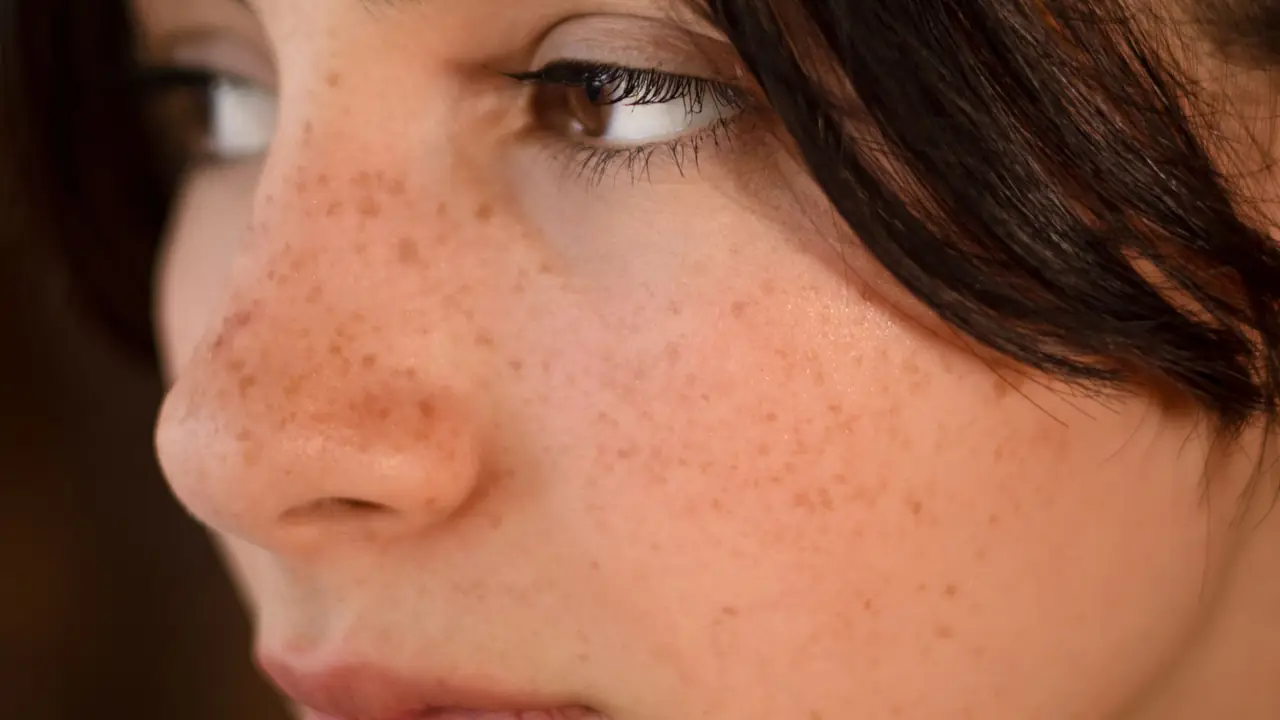
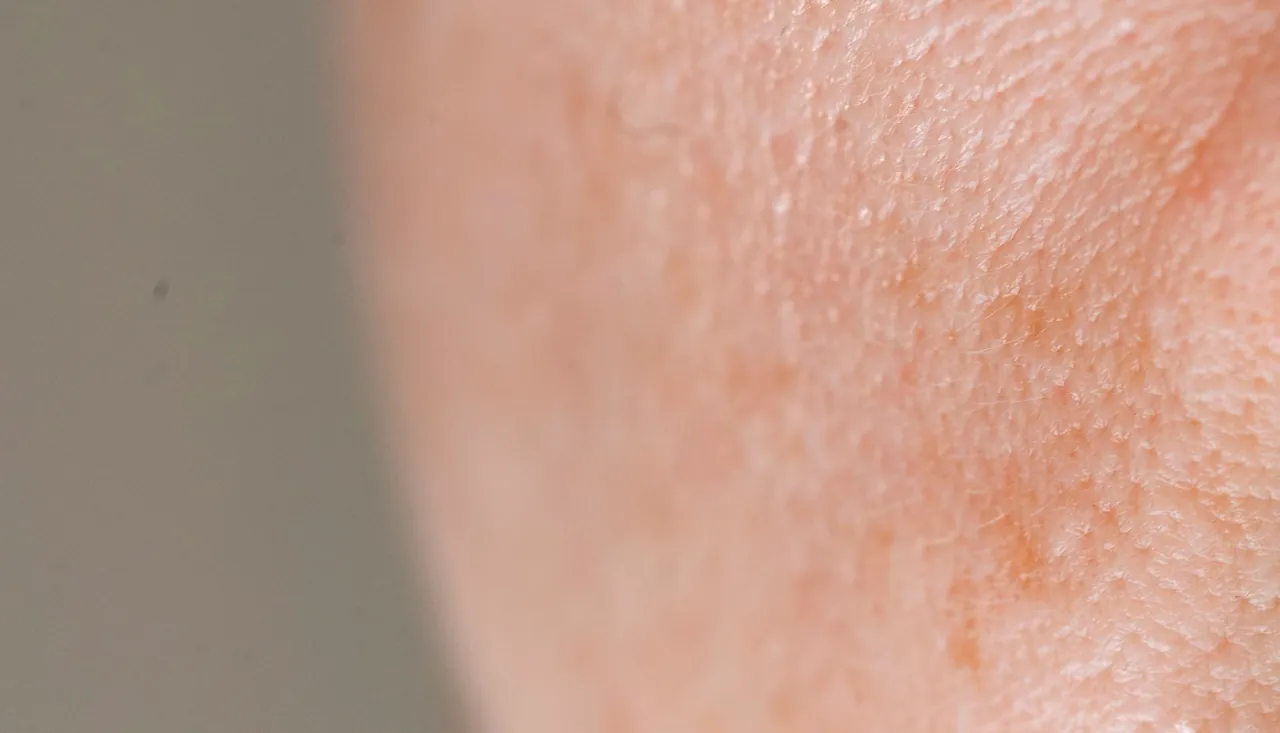
Real skin, pores and freckles in sunlight. Freckles, sun spots and melasma can look alike in a photo; the diagnosis comes first.
Dermatology is the main reason foreign patients come to Korea: 62.9% of the 2.01 million foreign patients counted in 2025, about 1.313 million people.1 Pigment treatment is a large part of that demand.
Does laser toning work for melasma?
It can lighten melasma. The evidence is less kind about how long that lasts.
"Laser toning" in Korea usually means a low-fluence Q-switched Nd:YAG laser, passed many times over the face at low energy, session after session. "Pico toning" is the same idea with a picosecond laser. A 2022 systematic review by Seoul dermatologists of 42 studies found low-fluence Nd:YAG generally effective and safe compared with older treatments, but noted occasional lasting white spots (mottled hypopigmentation) linked to high accumulated energy, rebound darkening when used aggressively, especially in darker skin, and a lack of long-term follow-up.4
A 2022 meta-analysis of 12 studies and 358 patients found no significant difference in melasma severity between the laser alone and drug treatment, and a greater improvement when the laser was combined with drugs.3 The American Academy of Dermatology describes lasers in the same supporting role: a few studies found that adding a laser or light treatment can improve results for patients who already use medication and protect their skin from the sun.2
Relapse is the honest problem. In one study, patients had a median of eight low-fluence sessions two weeks apart, and 58.8% saw their melasma return within a year.5
Figures from the cited peer-reviewed studies and professional society, checked October 2026. Not a Peep quote and not a clinic's result. Results vary.
How much does melasma treatment cost in Korea?
A Seoul melasma quote is priced by device and session count. Numbing, add-ons and prescriptions are separate lines. As of October 2026, the VAT refund for foreign visitors' cosmetic procedures has ended; it covered treatment received by 31 December 2025.10, 11 Clinics must list non-covered fees where patients can read them, on any website they have, and bill no more.12, 13
Bills to restore the VAT refund are pending in the National Assembly, and none had passed when we checked on 21 October 2026.14 We do not print a price band. There is no dated, non-clinic source for Seoul toning prices, and package tiles change by the week. What we can tell you is how the quote is built, so you can compare two quotes line by line.
A melasma quote in Seoul usually has these parts: the device and mode (Q-switched Nd:YAG toning, pico toning, or a combination), the number of sessions in the package and the interval between them, whether a doctor or a technician runs the laser, numbing cream, any add-on such as a soothing mask or a booster, prescription creams or tranexamic acid tablets, and VAT. Ask for each line. A cheap tile with ten sessions you cannot attend before your flight is not cheap.
Why does melasma come back, and what keeps it away?
Melasma comes back because the triggers do. Sun, visible light, hormones and heat keep telling pigment cells to work. The laser lowers the pigment that is there. It does not switch off the cause.
Sun protection is the treatment that does the most work between sessions. The AAD says sun protection can help fade melasma and keep it from returning, and dermatologists often suggest sunscreen with zinc oxide, titanium dioxide or iron oxide, using a tinted one if white cast puts you off.2 In a randomized trial, melasma relapsed less over a summer in patients using a tinted sunscreen that also blocked short-wavelength visible light than in patients using an identical untinted one.8 Our sunscreen guide explains Korean filters and PA ratings.
Medicines matter too. Tranexamic acid, taken as a tablet or applied to the skin, is now a common part of melasma plans. A 2017 meta-analysis of 11 studies found it added benefit to routine treatment, with minor side effects such as lighter periods and mild stomach upset.6 A 2024 network meta-analysis found that oral tranexamic acid combined with routine creams gave the largest improvement among the routes compared.7 It is a prescription drug, and the AAD advises telling your dermatologist about any history of blood clots before you take it.2
Hydroquinone is the other classic cream. In the United States, the FDA says there are no legally marketed over-the-counter skin-lightening products, and the only FDA-approved hydroquinone drug is a prescription cream for moderate-to-severe melasma.9 If a Seoul clinic prescribes a cream, ask for the generic ingredient names in English so a doctor at home can continue it.
What a short trip can and cannot do
A one-week trip can do three useful things: a proper diagnosis, the first one or two sessions, and a written plan for home. It cannot deliver a course of eight sessions two weeks apart. Do not let a package make that decision for you.
If you have darker skin, the case for caution is stronger. Aggressive toning can trigger rebound darkening.4 Ask for a conservative plan, a test area if appropriate, and a named person who will review photos after you fly home.
Lasers also sit badly next to some other appointments. If you plan a peel, a booster or a fresh tan on the same trip, ask the doctor how to space them.
Five questions before money moves
"What is the diagnosis: melasma, sun spots, post-inflammatory marks or a mix?"
"Which device and mode, how many sessions, how far apart, and who runs the laser?"
"What do I use at home after I fly, and can you write the generic drug names in English?"
"What would make you stop or change the plan, for example darkening or white spots?"
"What do you expect at six months, and what is the plan if it comes back?"
Quick FAQ
No single treatment works for everyone, and the AAD says the most effective approach usually combines sun protection, medication applied to the skin and sometimes a procedure.2 In Seoul that often means laser toning plus creams, tranexamic acid and sunscreen. Ask the doctor to explain the combination for your skin.
No. Studies show low-fluence laser toning can lighten melasma, but relapse is common: in one study 58.8% of patients saw it return within a year after a median of eight sessions.5 Treat it as management, not a cure.
Studies often use several sessions one to two weeks apart, for example six to ten sessions in one long-term study.5 The right number depends on your skin and response. A short trip usually fits only the first one or two.
Both pass a laser over the face at low energy to break up pigment. Laser toning usually means a Q-switched Nd:YAG laser; pico toning uses a picosecond laser with shorter pulses. Neither one cures melasma, and the plan around them matters as much as the device.
It can be, with conservative settings. A 2022 review noted that aggressive low-fluence toning can trigger darkening, especially in darker skin, and that white spots can occur with high accumulated energy.4 Ask for a cautious plan and someone to review your skin after you fly home.
Yes, if the energy is too high or sessions are too frequent. Rebound darkening and white spots have been reported.4 Stop and tell the doctor if the patches darken after a session.
Quotes depend on the device, the number of sessions, who runs the laser, add-ons, prescriptions and VAT. Ask for each line in writing. We do not print a price band because there is no dated, non-clinic source for Seoul toning prices.
Pooled studies show it adds benefit to routine treatment. A 2017 meta-analysis of 11 studies found extra improvement with minor side effects, and a 2024 network meta-analysis favored oral tranexamic acid with routine creams.6, 7 It is a prescription drug and is not for everyone.
Anyone with a history of blood clots must tell the dermatologist first, and the AAD advises a health discussion before it is prescribed.2 Pregnancy, hormonal contraception and some medical conditions also need a doctor's review.
Tell the clinic before anything starts. Pregnancy is a common melasma trigger, and the AAD notes that melasma can fade when a trigger stops.2 Tranexamic acid, lightening creams and lasers all need a doctor's review if you are pregnant or breastfeeding, so daily sun protection is the usual place to begin while you wait.
Not legally in the United States: the FDA says there are no legally marketed over-the-counter skin-lightening products, and the only FDA-approved hydroquinone drug is a prescription melasma cream.9 Use any lightening cream only under a doctor's supervision.
A broad-spectrum, high-SPF sunscreen used every day. Tinted sunscreens with iron oxide also block visible light, and a randomized trial found fewer summer relapses with a tinted visible-light formula than with an identical untinted one.2, 8
Because sun and visible light keep stimulating pigment. Lasers lower existing pigment but do not remove the trigger. Daily sunscreen, reapplication and a hat matter most from spring to autumn.
UV levels are lower in autumn and winter, which makes protection between sessions easier, but sunscreen still matters every day. The bigger question is whether you can continue the plan at home.
The AAD says it usually takes 3 to 12 months to see results when you follow the plan, and longer if melasma has been present for years.2 A week in Seoul is the start, not the finish.
Yes, and take them the same way every time: same window, same time of day, no makeup and no filter. Melasma changes over months2, and a phone camera in different light can make a patch look better or worse than it is. Dated photos also give the doctor who continues your plan at home something real to compare.
You can get a diagnosis, one or two sessions and a written home plan. You cannot complete a typical course of sessions spaced one to two weeks apart. Book with that expectation.
Usually not. The AAD notes that melasma treatment is generally not considered medically necessary, so most insurers will not cover it.2
A careful clinic should. Ask the doctor to name the diagnosis before you buy a package. Melasma, sun spots and acne marks need different plans.
Sometimes. Clinics often pair toning with creams, tranexamic acid or other devices, and combinations can help.3, 4 Ask how a peel, booster or other laser on the same trip would be spaced.
Showing 5 of 20
Medical note
This article is for general education and is not medical advice, a diagnosis, or a promise of outcome. It prints no prices; ask the clinic for an itemized quote. Devices and drugs are named to explain how treatment works, not to recommend a clinic or product, and results vary. If you are pregnant or breastfeeding, have had a blood clot, or take hormonal medicines, speak to a qualified clinician before tranexamic acid, lightening creams or laser treatment.
Ministry of Health and Welfare. Press release on 2025 foreign patients. 24 April 2026 (in Korean). Link
American Academy of Dermatology. Melasma: Diagnosis and treatment. Checked October 2026. Link
Chen J, Yu N, Peng L, et al. Efficacy of low-fluence 1064 nm Q-switched Nd:YAG laser for the treatment of melasma: A meta-analysis and systematic review.Journal of Cosmetic Dermatology, 2022. PubMed
Lee YS, Lee YJ, Lee JM, et al. The Low-Fluence Q-Switched Nd:YAG Laser Treatment for Melasma: A Systematic Review.Medicina, 2022. PubMed
Gokalp H, Akkaya AD, Oram Y. Long-term results in low-fluence 1064-nm Q-Switched Nd:YAG laser for melasma: Is it effective?Journal of Cosmetic Dermatology, 2016. PubMed
Kim HJ, Moon SH, Cho SH, et al. Efficacy and Safety of Tranexamic Acid in Melasma: A Meta-analysis and Systematic Review.Acta Dermato-Venereologica, 2017. PubMed
Liang R, Luo H, Pan W, et al. Comparative efficacy and safety of tranexamic acid for melasma by different administration methods: A systematic review and network meta-analysis.Journal of Cosmetic Dermatology, 2024. PubMed
Boukari F, Jourdan E, Fontas E, et al. Prevention of melasma relapses with sunscreen combining protection against UV and short wavelengths of visible light: a prospective randomized comparative trial.Journal of the American Academy of Dermatology, 2015. PubMed
US Food and Drug Administration. FDA works to protect consumers from potentially harmful OTC skin lightening products. 19 April 2022. Link
Korea Ministry of Government Legislation. Restriction of Special Taxation Act, Article 107-3 (VAT refund for foreign tourists' cosmetic medical services). National Law Information Center (in Korean). Link
Newsis. Government ends VAT refund for foreigners' cosmetic surgery from next year (2025 tax reform). 31 July 2025 (in Korean). Link
Korea Ministry of Government Legislation. Medical Service Act, Article 45 (notice of non-covered fees). National Law Information Center, version in force 2 October 2026 (in Korean). Link
Korea Ministry of Government Legislation. Enforcement Rule of the Medical Service Act, Article 42-2 (notice of non-covered fees). National Law Information Center, version in force 12 June 2026 (in Korean). Link
National Assembly of Korea. Bills 2218234 and 2220579 amending the Restriction of Special Taxation Act, Article 107-3 (VAT refund for foreign tourists' cosmetic medical services). Bill Information System (in Korean). 2218234 (filed 10 April 2026) would restore the refund to 31 December 2027 and 2220579 (filed 13 August 2026) to 31 December 2029; both were pending in committee when checked on 21 October 2026. 2218234 · 2220579